

‘The Girl Who Drew Butterflies’ was a book I didn’t know I needed to have in my personal library until I impulsively bought it after seeing it on my Facebook feed one day. The moment I received, and opened the book, I knew we were in for an adventure!
So naturally I cleared my calendar for the end of our school year, and devoted May to learning about bugs, and Maria Sibylla Merian’s life.
The Curriculum
This was a rabbit trail for us, so we had little guidance, however, we did use a few resources from Hearth Magic to supplement our studies, but the core ‘curriculum’ came from an accompanying PDF file from the book. Outside of that we went off the beaten path and did things as we saw fit. Below is a list of the resources we used from Hearth Magic.
- Life Cycle of a Butter Fly Chart
- Butterfly/Moth Caterpillar Set
- Bugs and Slugs Matching Game
- Bugs and Slugs Coloring Pages
- Honey Bee Set
- Worm Set
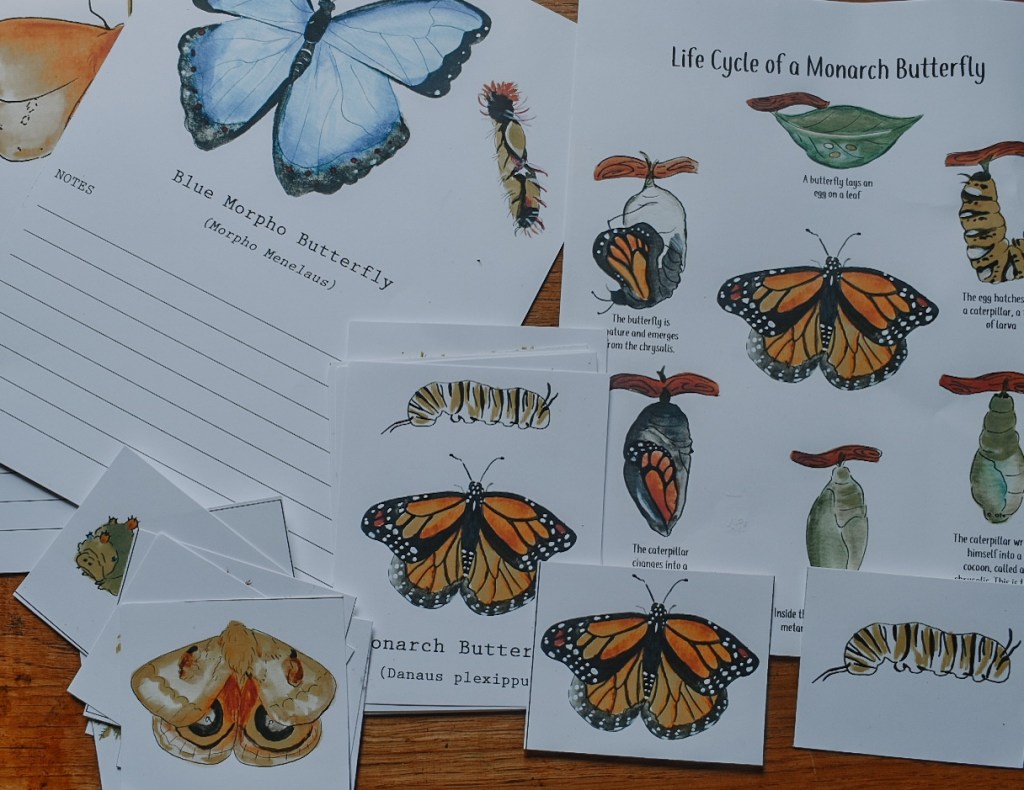
Out of everything we’ve done this year, I would say that this book and the learning opportunities we enjoyed along with it were by far my daughter’s favorite activities. She was glued to Maria’s story, and everything that went along with it.
If I had to pick a favorite part about the entire study it would probably how easy it was to integrate multiple subjects from one book to enhance the learning experience. Here is what are month looked like:
Geography and History
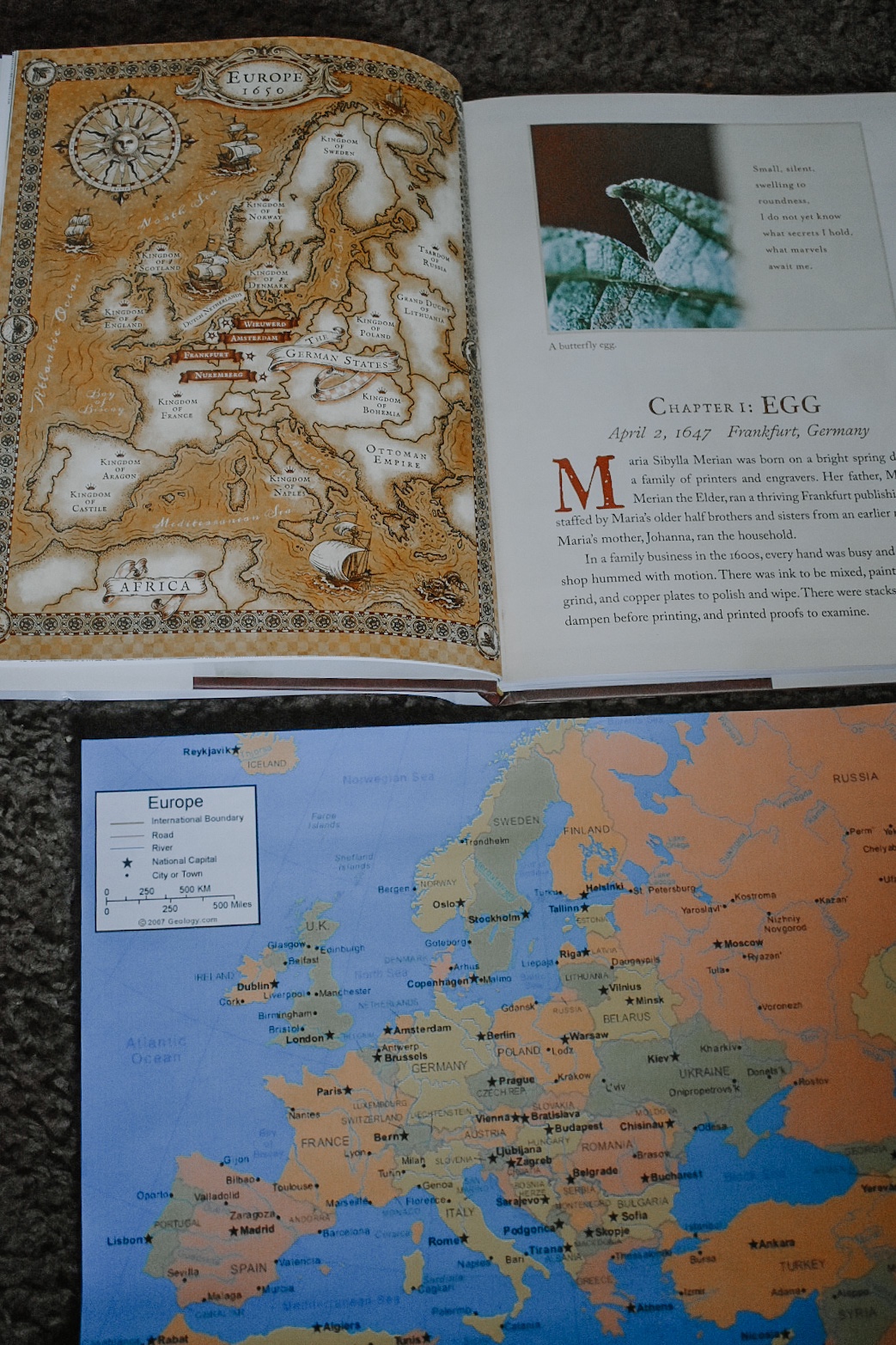
Maria Merian lived in Germany during the 17th and early 18th centuries. The map of the world during this time looked vastly different than it does now. The pre-reading project in the PDF suggests comparing the 1650 map of Europe to today’s map and observing how much has changed in 372 years. To take it a step further, we also took a look at the world map for 1650 and the route she would’ve takin to Surinam.
The World Map 1651
Video list:
Once we reached the part of the book where Maria travelled to Suriname it was only inevitable that it opened discussion about the Trans-Atlantic slave trade. During this time in Suriname’s history, we find sugar plantations peaking with more demand in Europe for this sweet commodity. Though there are accounts of Maria criticizing the enslavement of these people, she also participated by owning slaves of her own, taking advantage of their knowledge on the natural world around them for her research.
Art
Maria’s biological father owned a printing press company, and when he passed away, her mother remarried the botanical artist Jacob Marrel. The later half of her childhood was spent in Marrel’s studio where she learned to paint, and also where she fell in curiosity of insects which would become the focus in her art.
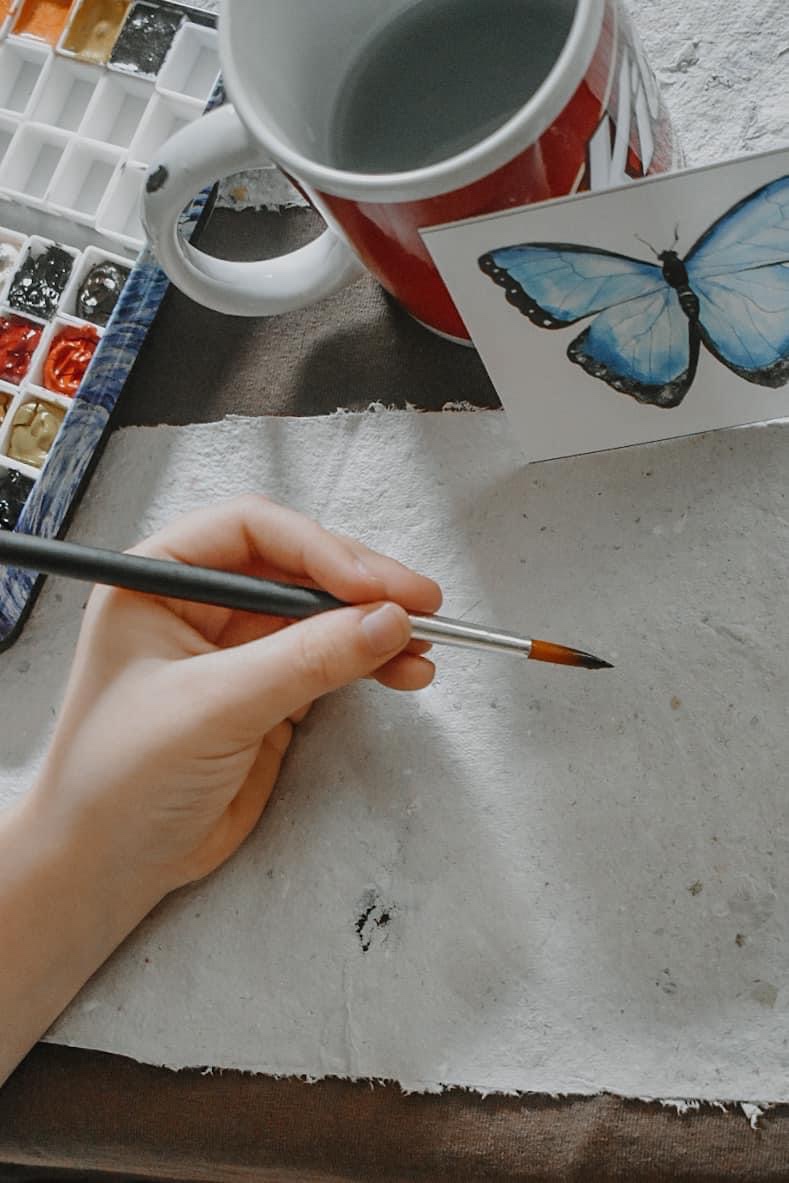
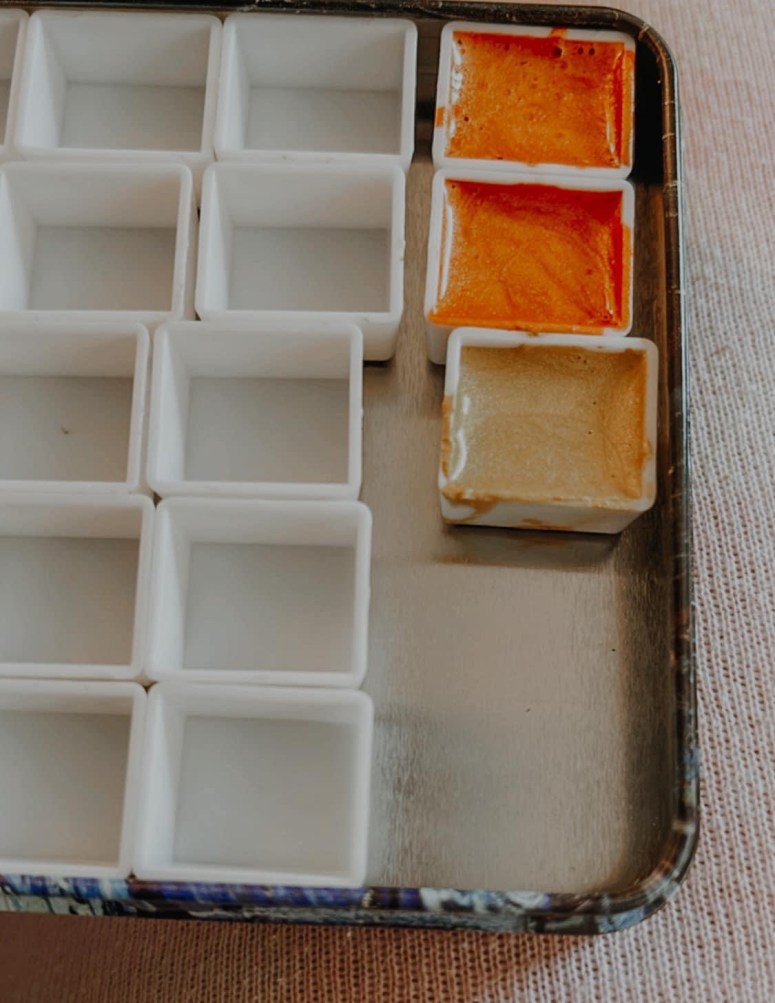
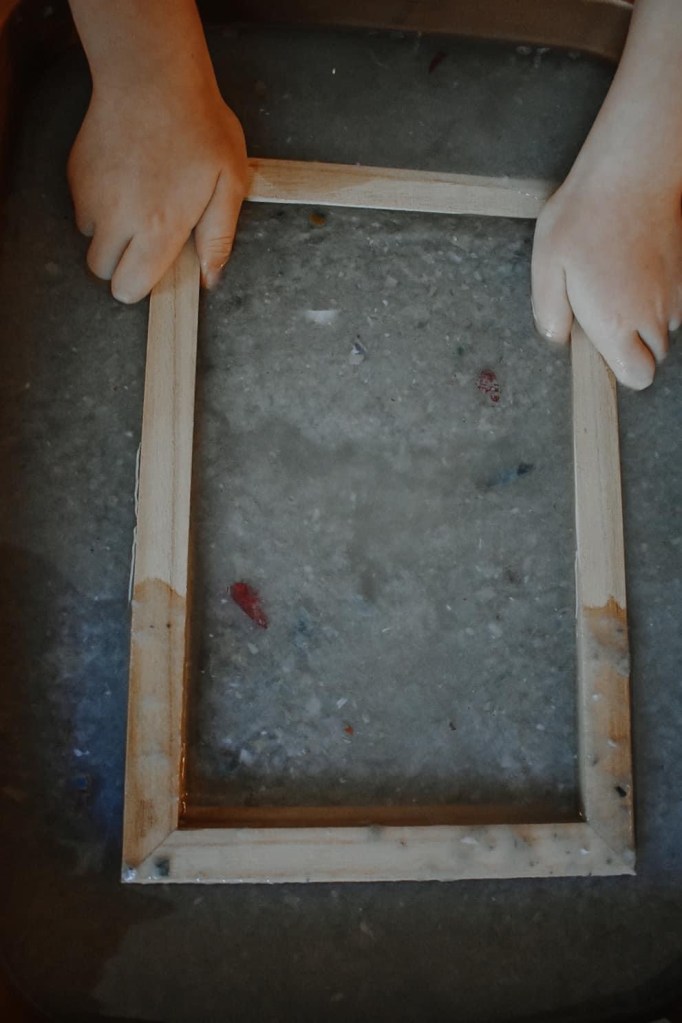
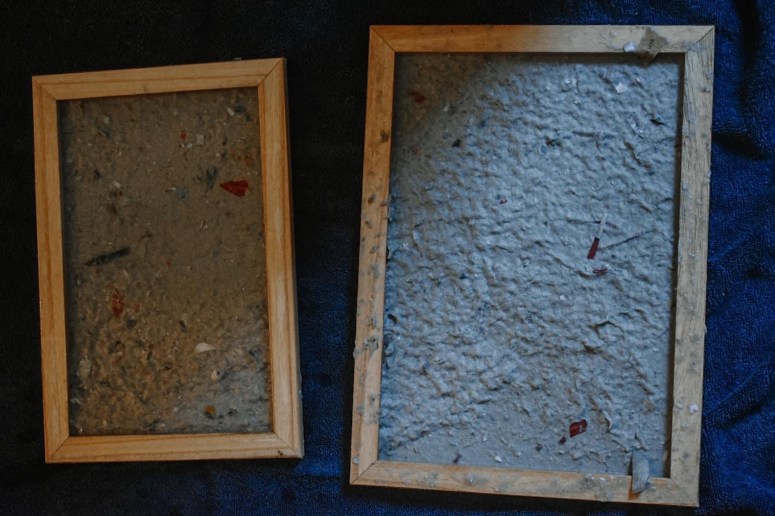
For this book we had one large art project the was broken down into three steps: Make our own paper, make our own water color paints, and paint a butterfly with the two.
Videos:
Supplies:
Mica Powder
Pallet Knife Set
Glass Muller
Paint Brushes
Gum Arabic Powder
Vegetable Glycerin
Half Pan Pallet
Paper Making Mould
I am an amazon affiliate, and will receive a small commission from these purchases.
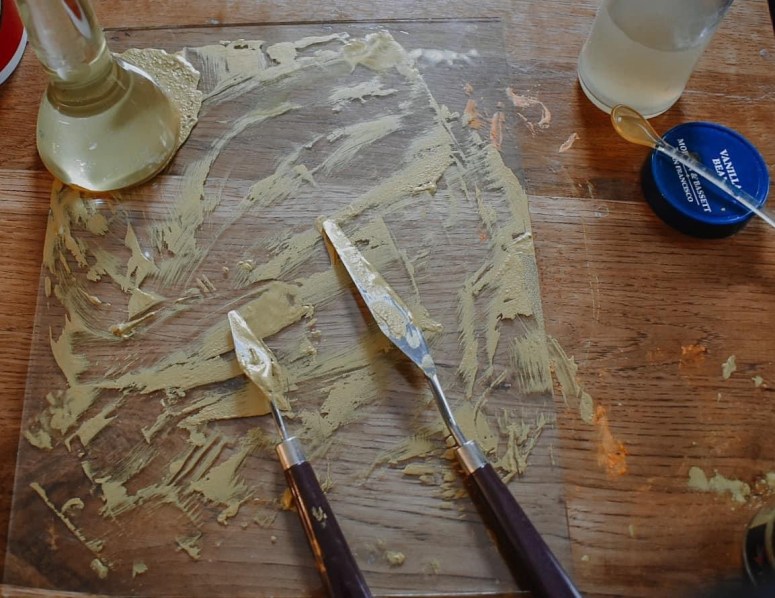
I operate on the saying “Allow children to do dangerous things safely.” Which is why, even after the cautions from creators in the plethora of paint making videos I watched I still allowed my daughter to try her hand at making her own watercolors. With safety gear on, goggles, a mask, and gloves, she can now say she’s made paint! Below is a slideshow of our art project.



Science
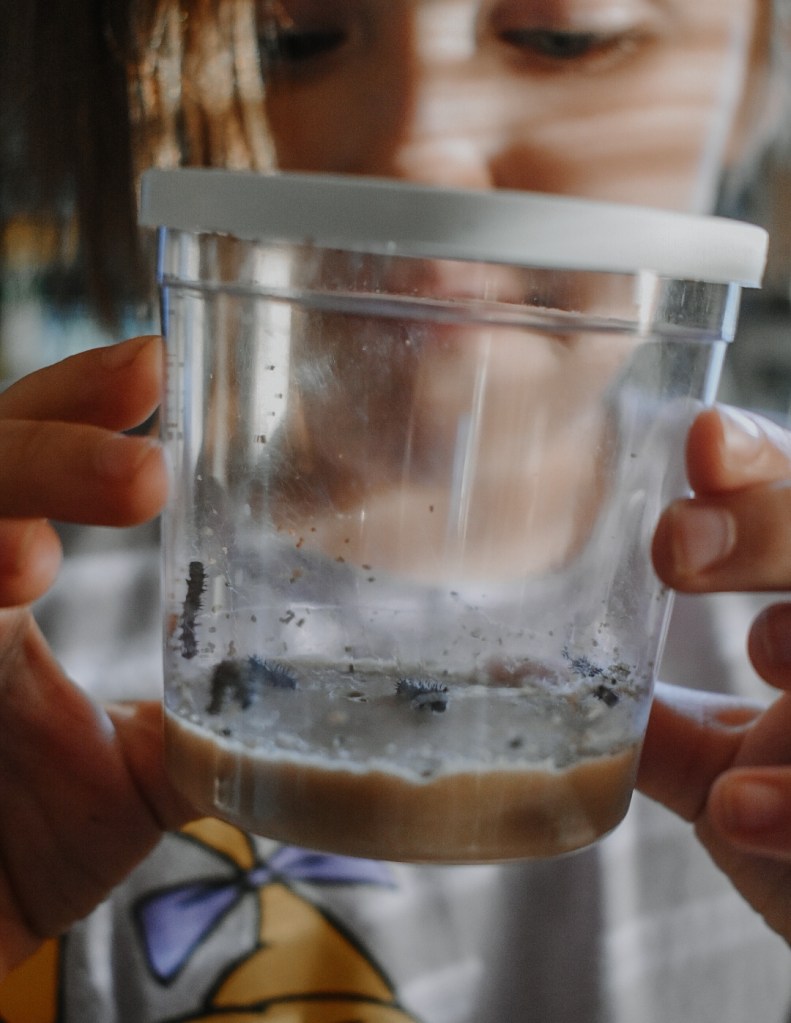
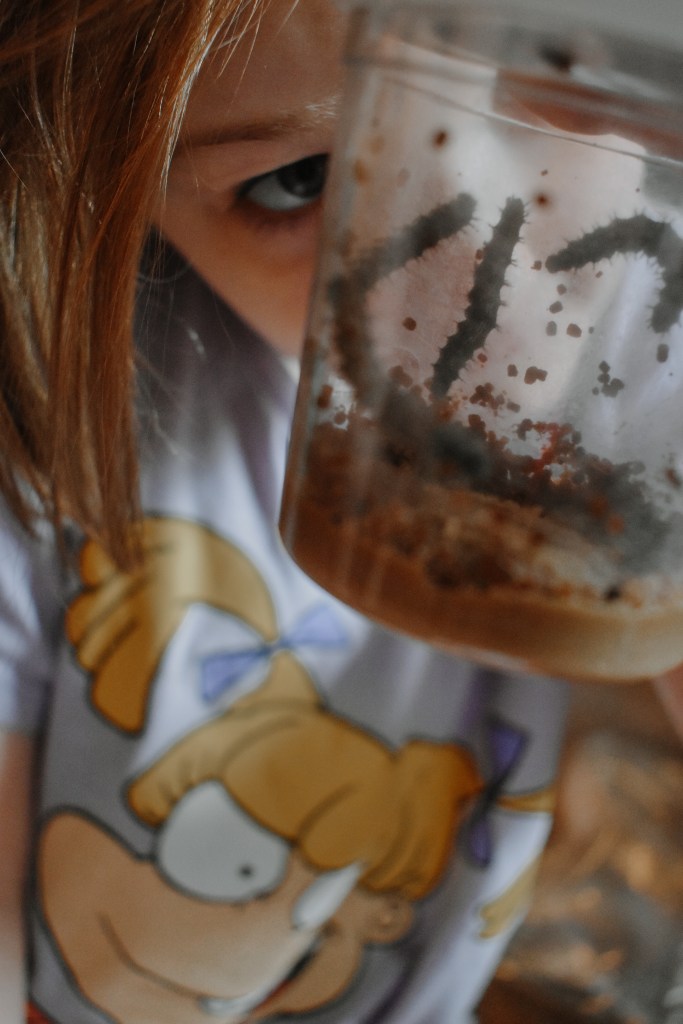
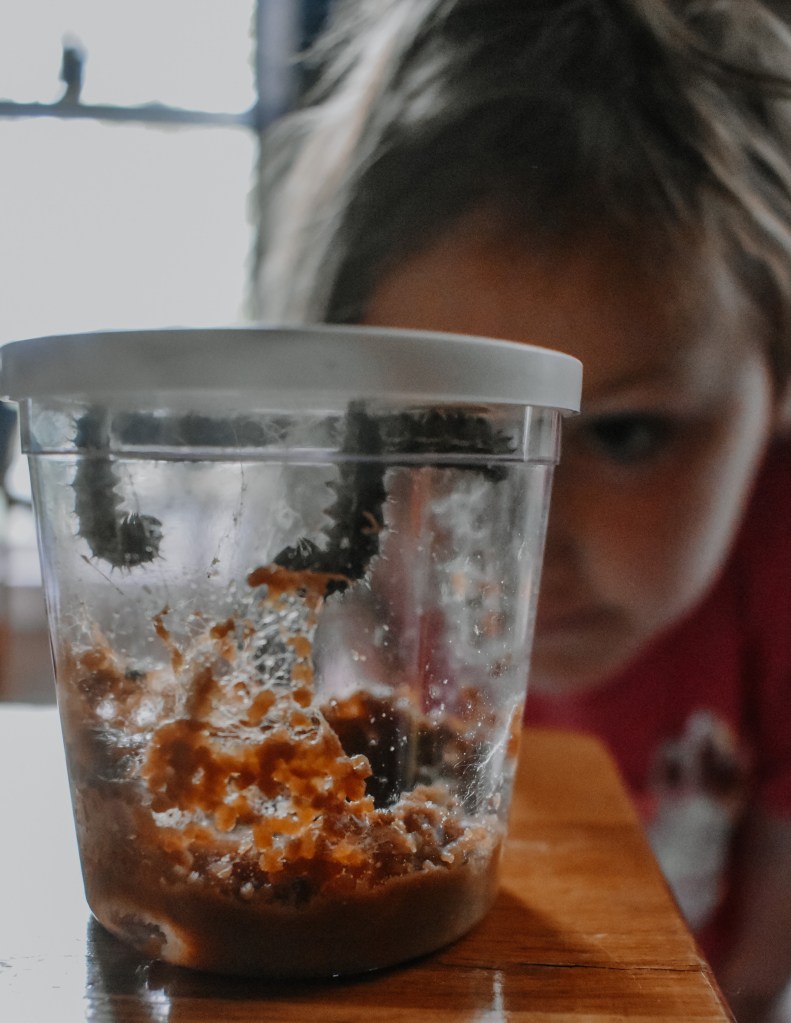
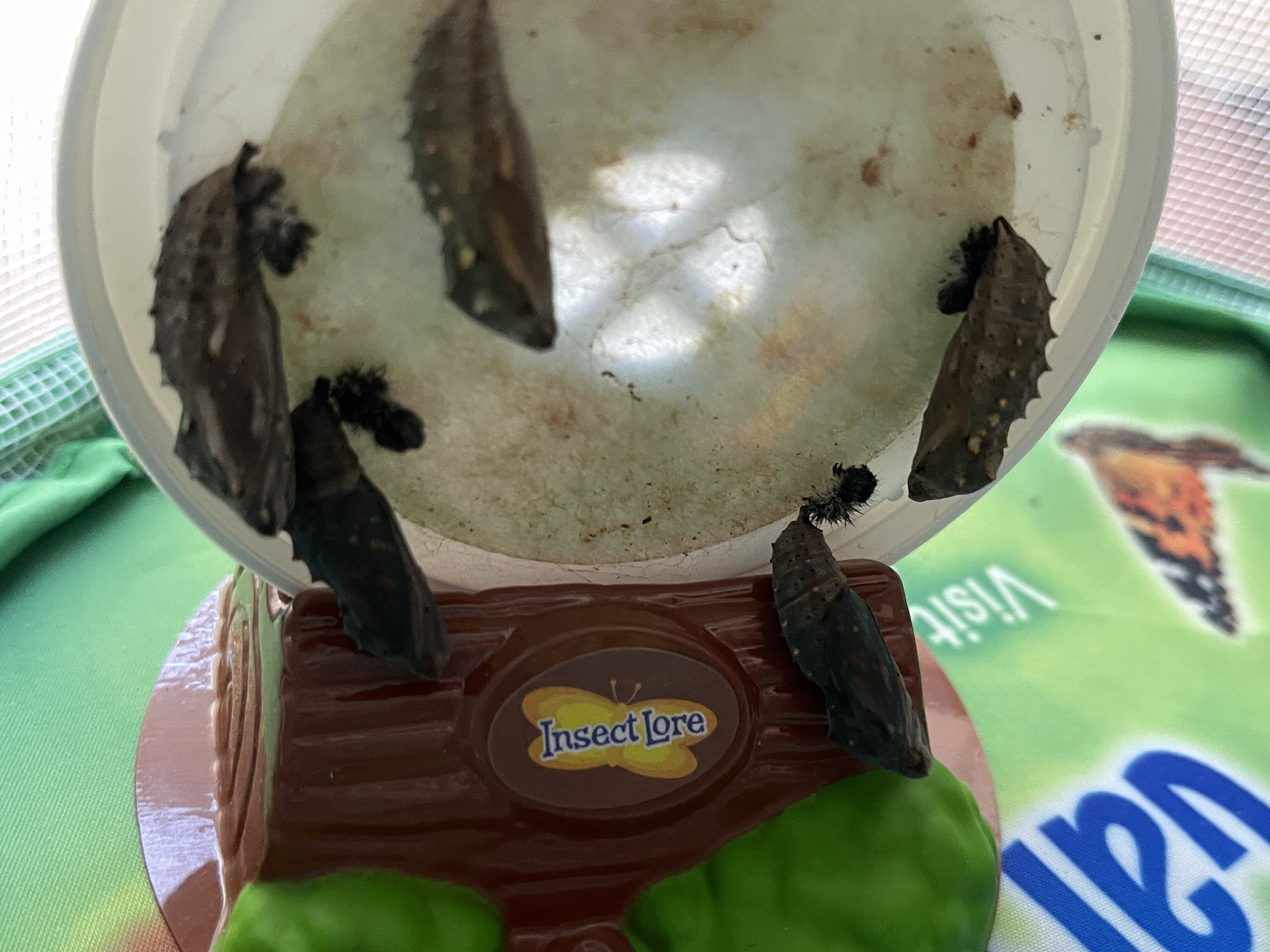
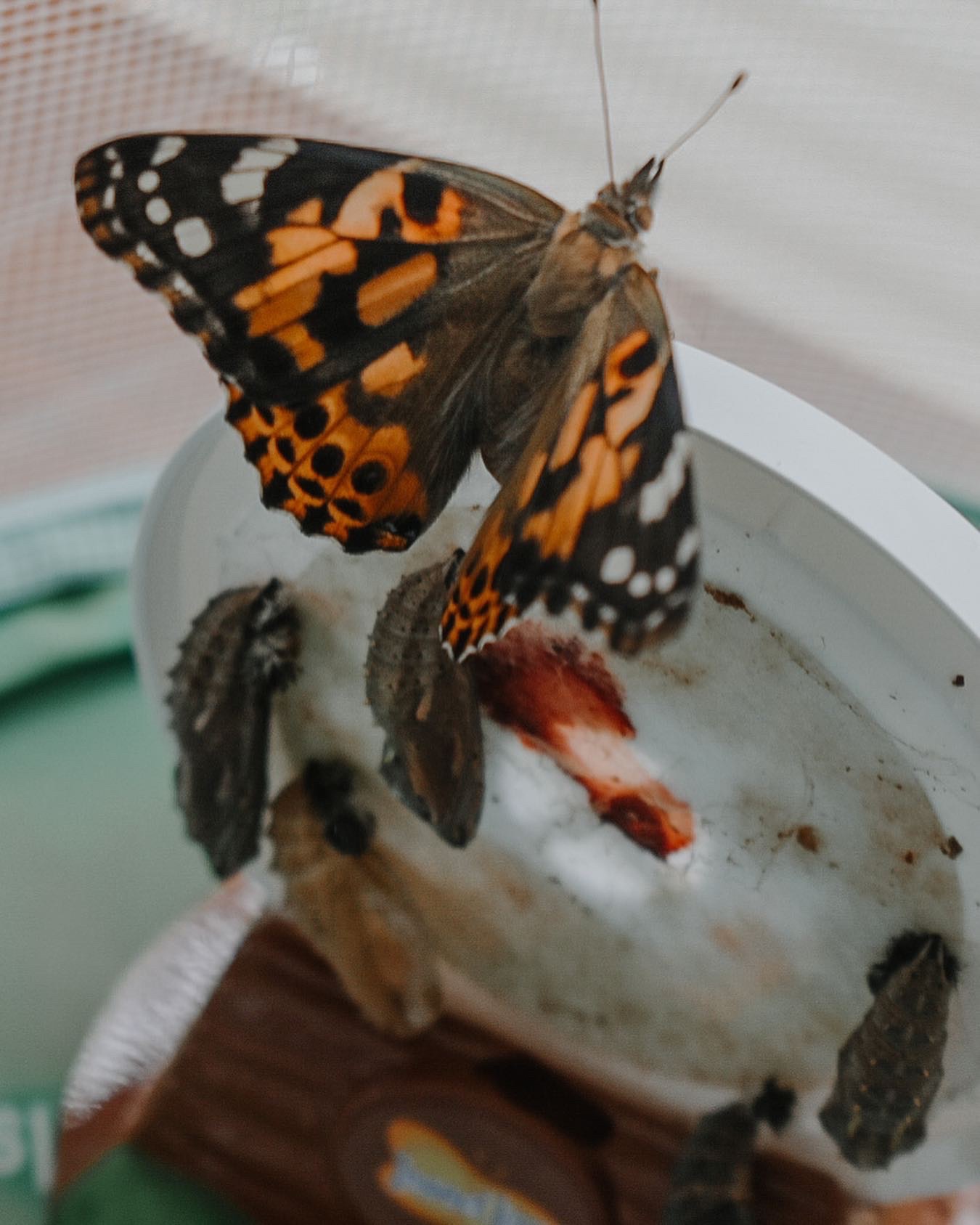
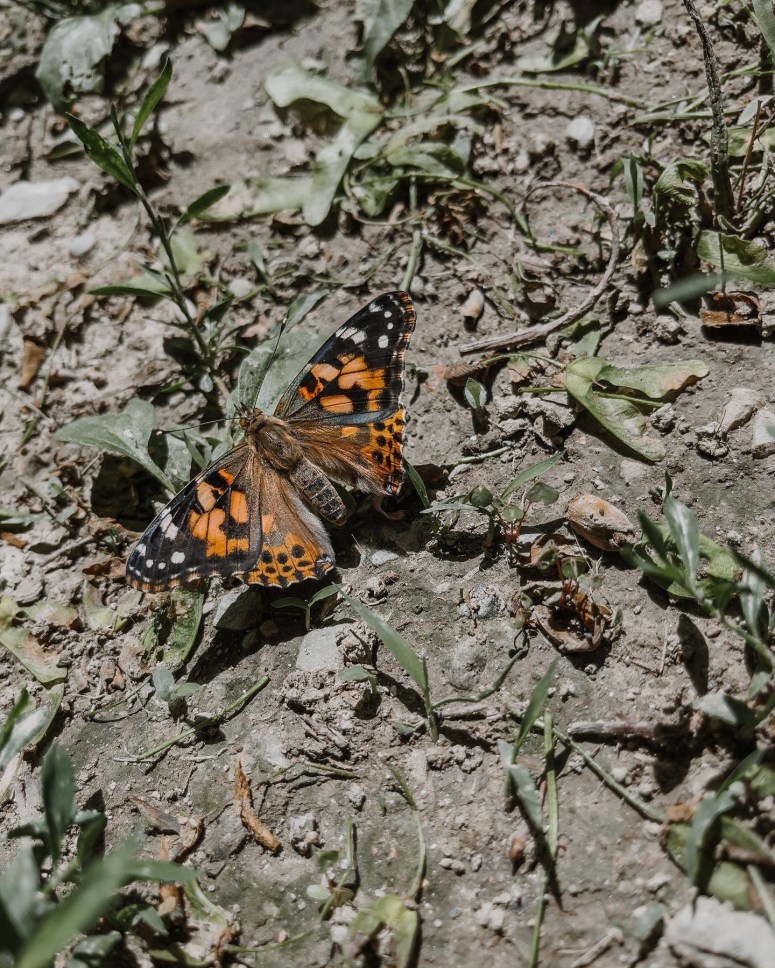
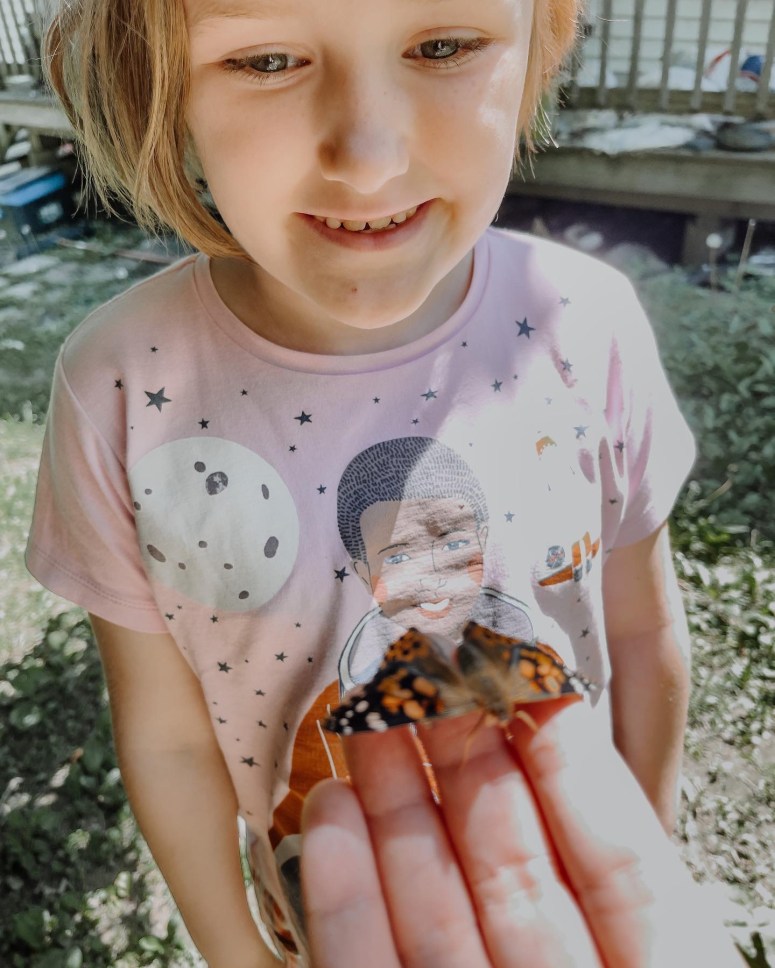
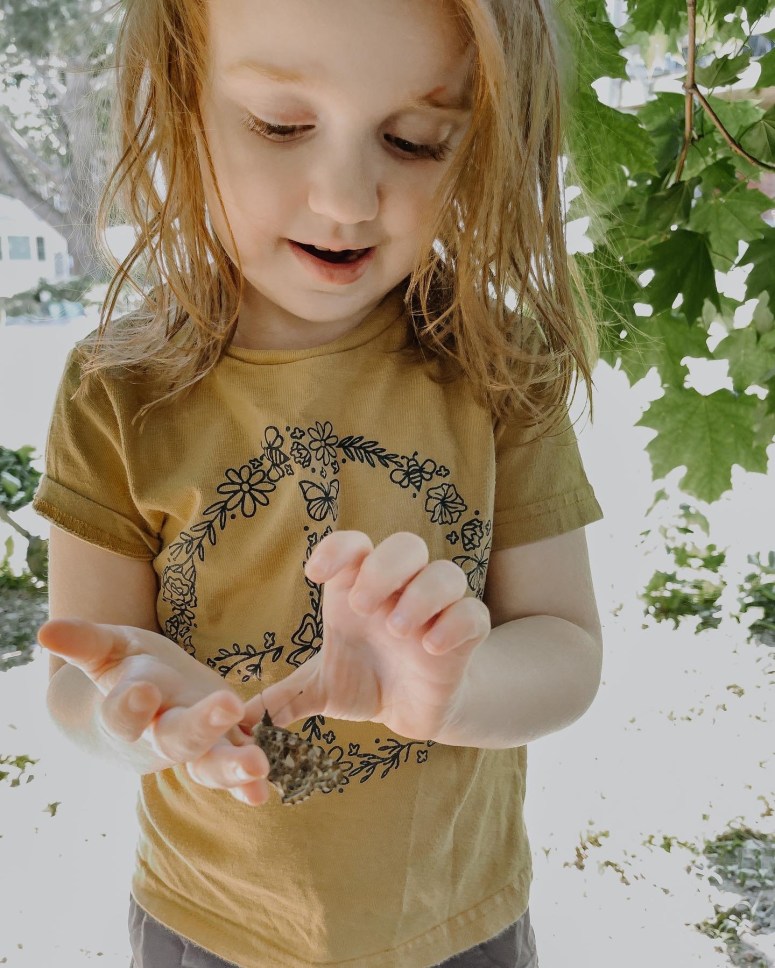
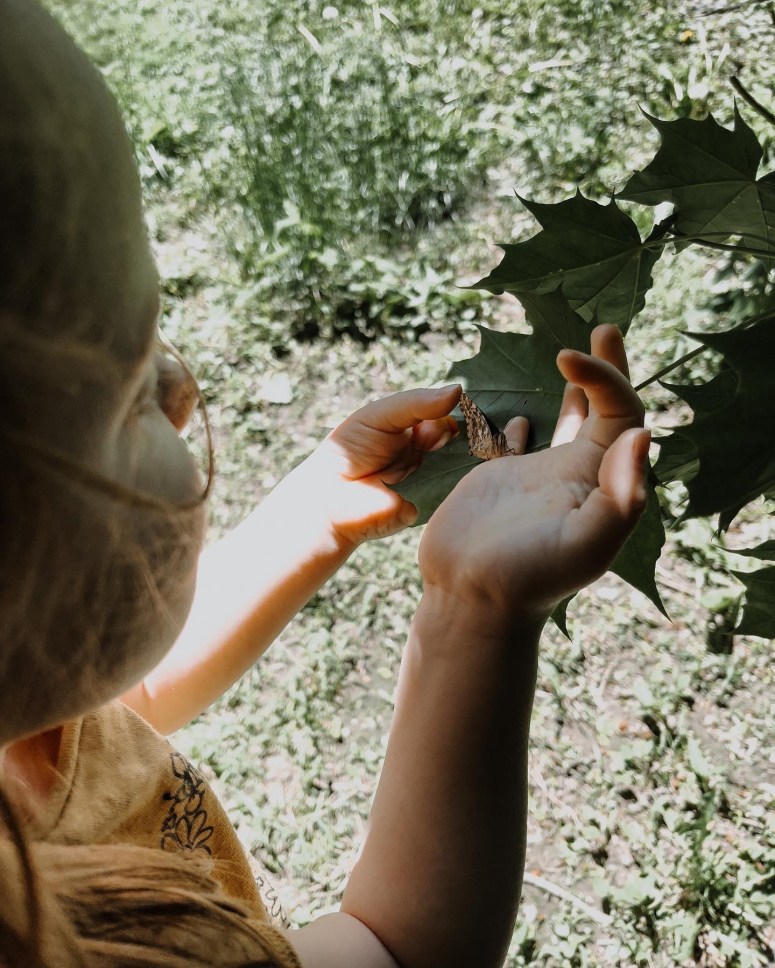
I would easily consider this the meat and potatoes of this months school adventure. For science we took the opportunity to grab a butterfly kit (we used this one because if came with a workbook) and observed the growth of these beautiful painted lady butterflies from caterpillar, to butterfly.
It was a long worthwhile wait for them to go through each transition of life, up until release day.
Adopted date: May 10th
Release date: June 1st



 neasenest.com
Leave a comment